How To Tackle Pet Hair At Home
Pet hair has a way of showing up everywhere: on the sofa, under the bed, on shelves, inside vents, across the floor, and floating in the air right after you cleaned. The trick is not just cleaning harder. It is cleaning in the right order.
This simple guide walks you through a realistic pet hair cleaning routine for sofas, carpets, beds, floors, windowsills, vents, closets, and hard-to-reach corners.
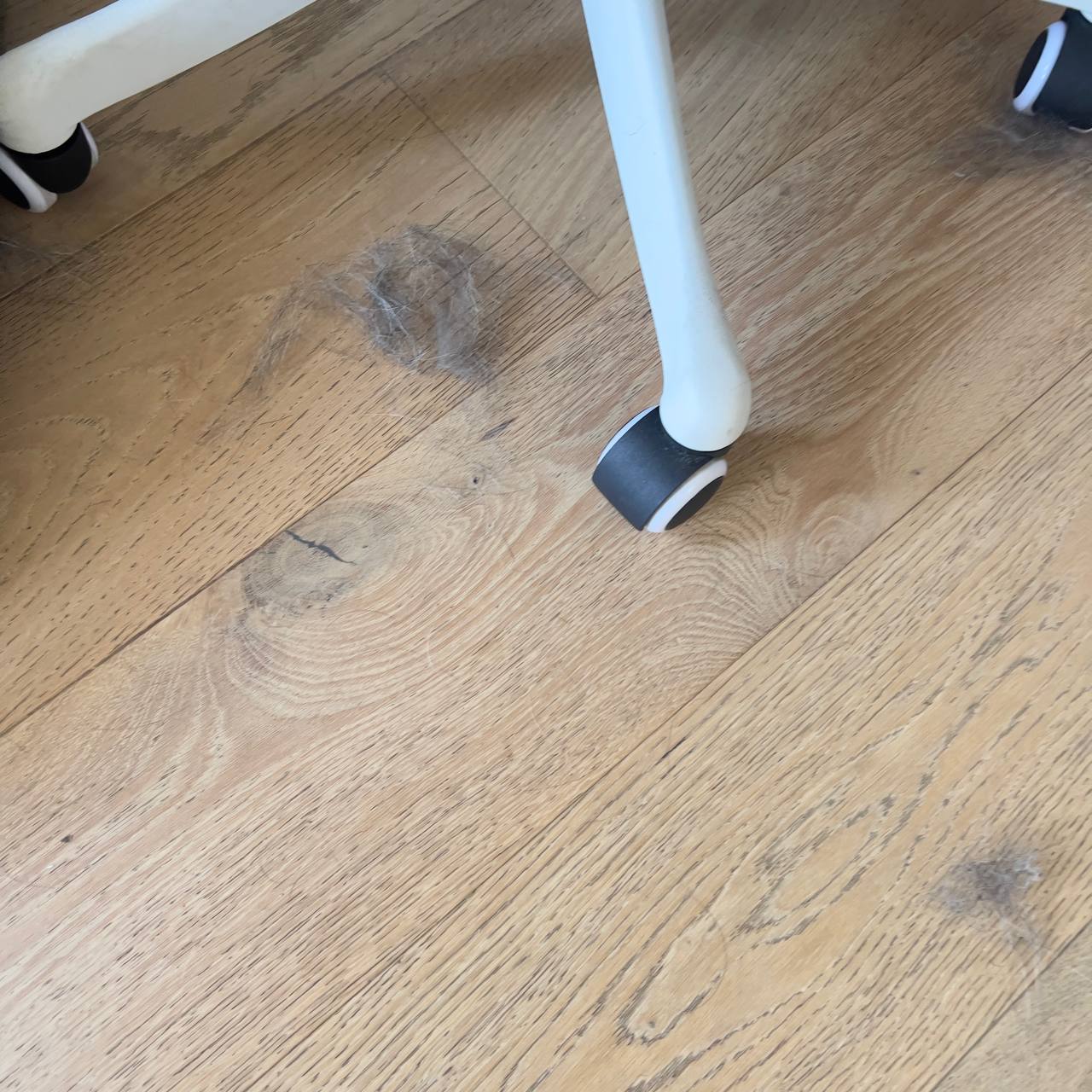
Why Pet Hair Feels Impossible To Clean
You can vacuum the floor and still find pet hair five minutes later because hair does not stay in one place. It floats, sticks to fabric, hides behind furniture, collects on vents, and drops from curtains, bedding, shelves, and clothing.
It Sticks To Upholstery
Sofas, chairs, curtains, bedding, and mattresses trap hair in fabric fibers, seams, and cushion edges.
It Floats And Resettles
Cleaning can disturb hair and dust, sending it into the air before it lands again on floors, shelves, and windowsills.
It Hides Behind Furniture
Under beds, behind headboards, inside closets, and near furniture legs are common places where pet hair piles up.
Start With A Strong Vacuum Cleaner
The first and most important tool is a good vacuum cleaner. A small gadget that only makes noise will not do much against pet hair. You need strong suction, a long hose, and attachments that can reach under the bed, behind furniture, along baseboards, and into tight corners.
If the vacuum cannot reach under heavy furniture, use airflow carefully to move hair out from underneath, then vacuum it up before it spreads.
Look For These Features
The Best Order For Removing Pet Hair At Home
Pet hair cleaning works better when you follow a sequence. If you mop first and then dust the shelves, hair will fall right back onto the clean floor. Work from fabric and high surfaces down to floors.
Wash Hair-Collecting Fabrics First
Start with curtains, bedding, throw blankets, washable covers, and anything else that collects pet hair. Cleaning these first prevents loose hair from falling back into the room later.
Vacuum High And Hidden Areas
Vacuum windowsills, shelves, nightstands, vents, under beds, behind headboards, behind furniture, and inside closets before focusing on the open floor.
Wait And Vacuum Again
After the first vacuum pass, wait 15–20 minutes. Pet hair and dust disturbed during cleaning can settle again. A second vacuum pass helps catch what came down.
Wipe Surfaces With Wet And Dry Cloths
Use one damp cloth and one dry cloth. Wipe with the damp cloth first, rinse it often, then finish with the dry cloth so surfaces do not stay streaky or dusty.
Finish With Floors
Do not put items back too early. Vacuum the floor, mop carefully, rinse the mop often, and finish with one final floor wash after the room has settled.
Do Not Skip These Pet Hair Zones
The worst pet hair is often not in the middle of the floor. It is hiding in the areas people forget to clean.
Behind The Bed
Hair collects near headboards, wall edges, and sleeping areas where airflow is limited.
Window Vents
Vent grilles and windowsills can hold hair and dust that affect how fresh the room feels.
Closets
Pet hair can hide on the floor, around shoes, on bags, and along closet corners.
Furniture Legs
Hair wraps around chair legs, sofa legs, nightstands, and low furniture edges.
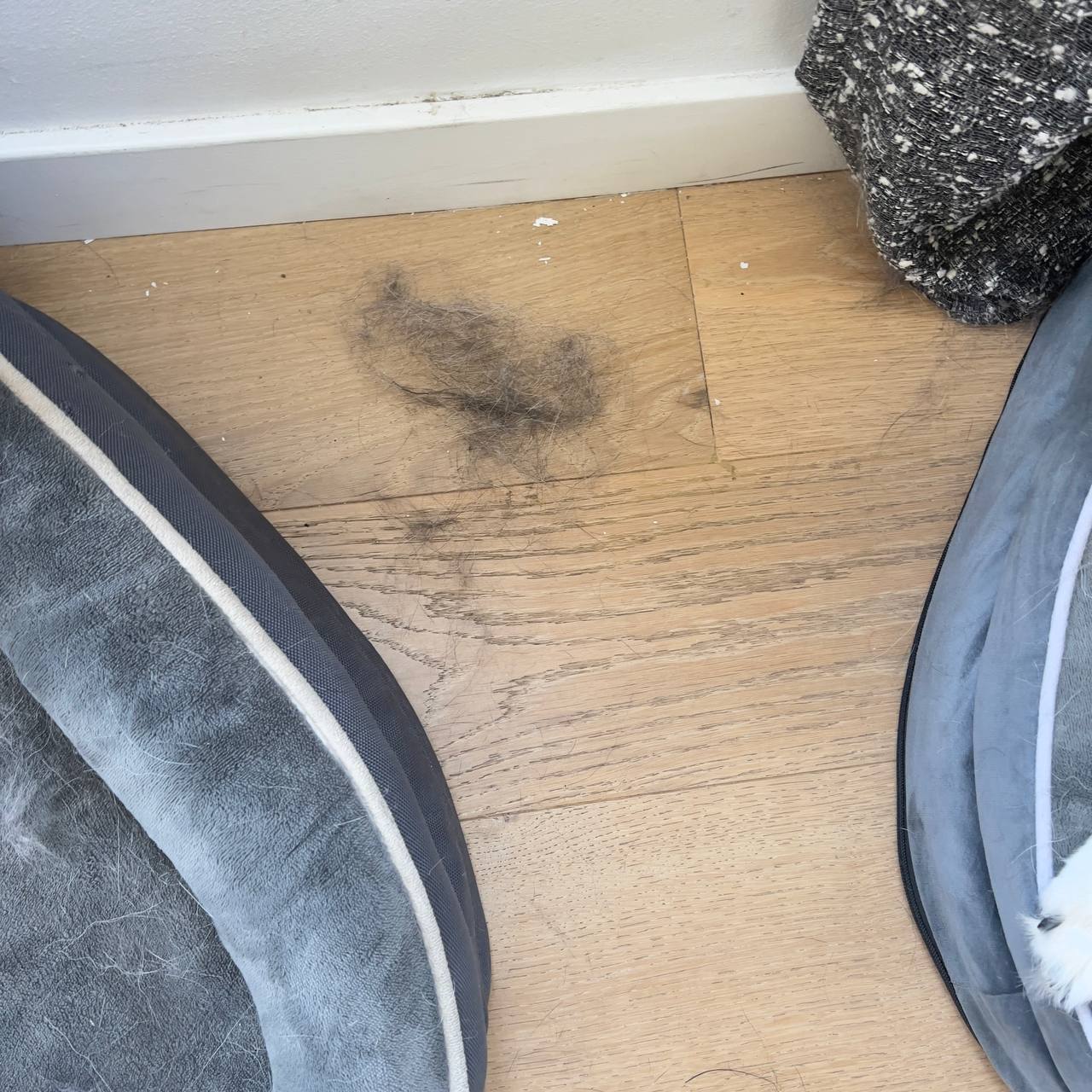
How To Clean Pet Hair From Sofas, Carpets, And Floors
Different surfaces hold pet hair differently. A sofa traps hair in fabric and seams. Carpet holds it deep in fibers. Hardwood floors let it drift into corners, under furniture, and along baseboards.
The Wet Cloth And Dry Cloth Method
After vacuuming, let the room sit for 5–10 minutes so floating hair and dust can settle. Then wipe surfaces with two cloths: one damp and one dry.
The damp cloth grabs hair and dust. The dry cloth finishes the surface so it does not stay wet, streaky, or sticky. Rinse the damp cloth often, otherwise you are just moving hair from one place to another.
Where To Wipe
Finish With Odor Control And One Last Floor Wash
Pet hair cleaning is not only about visible hair. Odors can stay in floors, carpets, sofas, pet beds, and soft materials. After vacuuming and wiping, mop the floor carefully and rinse the mop often.
Use Odor Control Carefully
A disinfectant or odor-neutralizing product can help with smell, but always use products safely and according to label directions.
Try Dry-Cleaning Spray
A dry-cleaning spray for mattresses, couches, or carpets can help refresh fabric without soaking everything.
Vacuum One More Time
After fabric treatment dries, vacuum again to remove leftover hair, dust, and loosened debris.
A Simple Weekly Pet Hair Routine
You do not need a full deep clean every day. A short weekly routine can keep pet hair from becoming overwhelming.
Quick Visible Pickup
Remove hair from the sofa, pet bed, and the most visible floor areas. This keeps hair from spreading through the home.
Full Vacuum Pass
Vacuum sofas, carpets, under beds, baseboards, windowsills, and closets. Wait, then vacuum once more where needed.
Fabric Refresh
Wash bedding and curtains, clean the mattress surface, refresh upholstery, and check hidden hair zones behind furniture.
Need Help With Pet Hair Cleaning In Los Angeles?
Pet hair can be frustrating, especially when it gets into upholstery, carpets, mattresses, vents, closets, and hard-to-reach corners. Aquamarine Pro Team provides detailed home cleaning services in Los Angeles, Burbank, Glendale, Studio City, and many other nearby areas.
For homes with pets, regular cleaning can help keep dust, hair, odor, and everyday buildup under better control.
Pet Hair Cleaning FAQ
Quick answers for removing pet hair from furniture, floors, carpets, and hidden areas around the home.
Why Does Pet Hair Come Back So Fast After Cleaning?
Pet hair floats in the air, sticks to fabrics, and hides behind furniture. After vacuuming, some hair settles again, which is why a second vacuum pass helps.
What Is The Best Way To Remove Pet Hair From A Sofa?
Vacuum cushions, seams, armrests, back pillows, and underneath removable cushions. For fabric buildup or odor, upholstery cleaning may be needed.
Should I Mop Before Or After Vacuuming?
Vacuum first, wipe surfaces, then mop. If you mop too early, hair from shelves, furniture, and fabric can fall back onto the floor.
How Do I Remove Pet Hair From A Mattress?
Vacuum the top, edges, seams, and sides of the mattress. Let airborne dust settle, then vacuum again if needed.
How Often Should A Home With Pets Be Cleaned?
Homes with pets usually need frequent vacuuming and regular surface wiping. A weekly routine can prevent hair from building up in corners, carpets, and upholstery.